

Dear Jeanie,
Let me tell you something about cars that the dealerships, the advertisers, and honestly most of the culture around you will never say out loud. A car is an appliance. Nothing more and nothing less. It is a piece of equipment, the same way a contractor treats his work truck. It is not a trophy. It is a tool. Its entire purpose is to get you safely and reliably from one place to another, and any dollar you spend beyond that basic function is a dollar that could have been working toward something that actually matters in your financial life.
I know that is not a popular opinion. I know cars carry a certain emotional weight for a lot of people. I know there is a version of the story where the right car says something about who you are and where you are going. But here is the truth that nobody tells you until after the payments have already started. A car is one of the largest purchases you will ever make, it begins losing value the moment you drive it off the lot, and in a few years you will need to do the whole thing over again because cars wear down, break down, and eventually cost more to repair than they are worth. That is the cycle. And if you are not careful about how you approach it, that cycle will quietly drain your finances for decades.
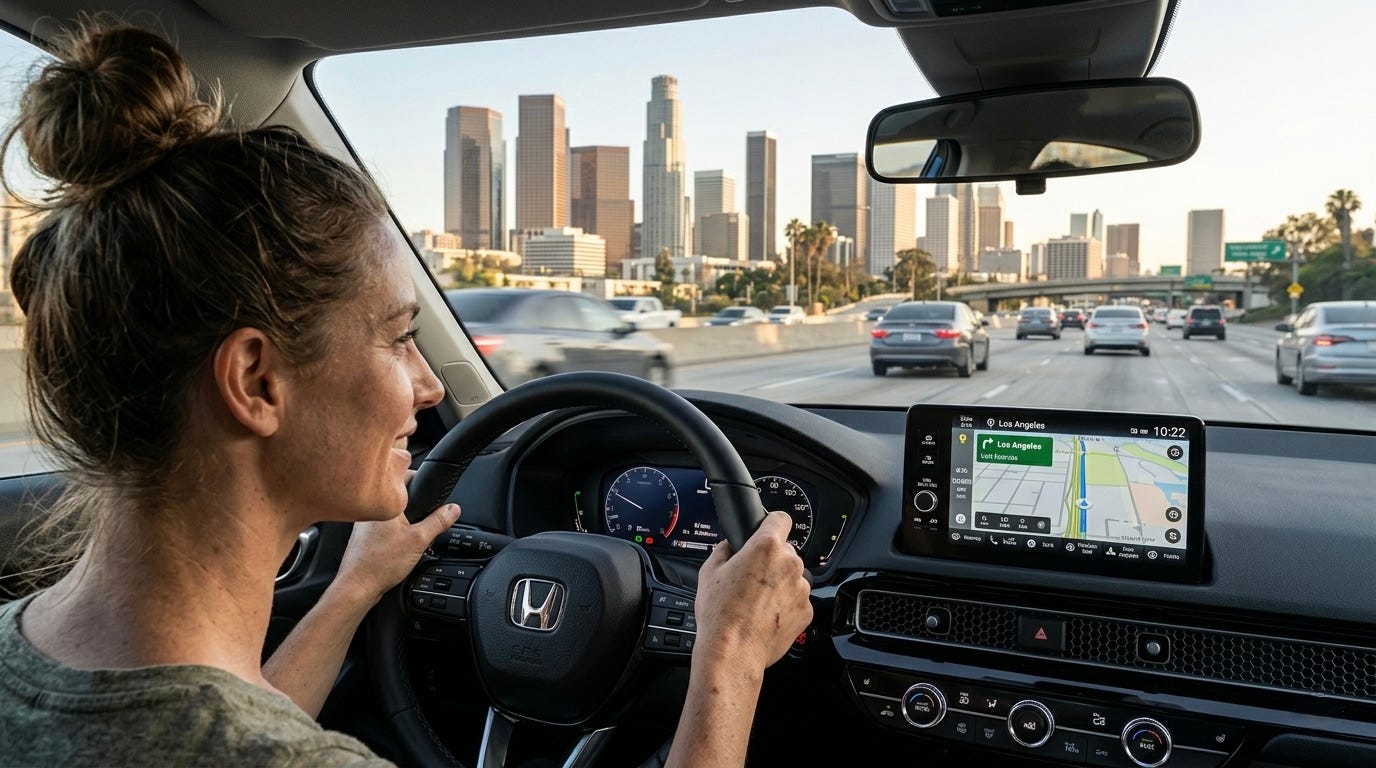
So here is my simple rule for where you are right now in your life. Buy a Toyota or a Honda. That is it. I am not being glib and I am not oversimplifying. These two manufacturers have spent decades building some of the most reliable, affordable, and low maintenance vehicles on the road. They are not the flashiest cars at the light. They will not turn heads in the parking lot. But they will start every single morning, cost you almost nothing in repairs if you maintain them properly, and last you ten to twenty years or more if you treat them well. That reliability has real, measurable financial value that a lot of people completely overlook when they are standing in a showroom being dazzled by something shiny and German.
And speaking of German cars, let me be very clear about something. I am not telling you that you can never own an Audi, a Porsche, a BMW, a Lexus, or a Mercedes. Those are beautiful, well engineered machines and I completely understand the appeal. What I am telling you is that right now is not the time, and it will not be the time until you have checked off every one of these financial milestones first. Your one hundred thousand dollar safety net fully saved and untouched. Your mortgage paid in full. Every dollar your children will need for college already set aside. Your retirement fully funded. When all of those boxes are checked, buy whatever car makes your heart sing. You will have earned it completely and you will be able to enjoy it without a single dollar of guilt or financial stress attached to it. But not before. Not one day before.
Here is what most people do not find out until they are already in it. German luxury cars are genuinely wonderful to drive while they are under warranty. The moment that warranty expires, the financial reality of owning one arrives very quickly. You can expect to spend somewhere in the range of five thousand dollars a year or more on repairs and maintenance once a German car gets older, sometimes significantly more. Add in the higher insurance premiums that come with luxury vehicles, the cost of premium fuel because most of these engines require it, and the steep depreciation curve that hits these cars harder than their Japanese counterparts, and what felt like a reasonable monthly payment starts to look very different when you add up the true annual cost of ownership.
What About Electric Cars?
Electric vehicles are exciting and I completely understand the appeal. The technology is impressive and never stopping at a gas station sounds wonderful in theory. But the full financial picture is rarely what the marketing makes it look like, and I want you to understand it before you fall in love with one on a test drive.
Repairs are expensive and your options are limited. If the battery ever needs replacing, and at some point it likely will, the cost can approach or even exceed the current market value of the car itself. Most independent mechanics do not have the training or parts to work on electric vehicles, which means you are largely stuck paying dealership prices for everything. Insurance premiums run higher than comparable gas powered cars, and the deep depreciation that hits electric vehicles means you are losing value faster than you might expect.
The tires are another ongoing cost worth knowing about. The heavy battery pack combined with the instant torque that makes electric cars feel so quick and responsive burns through tires significantly faster than a conventional engine would. And because these vehicles require specific sizes and load ratings, replacements cost meaningfully more than standard tires and need to happen more frequently.
Charging at home is also not as simple as it sounds. A standard household outlet is far too slow for daily practical use, so you will need a dedicated charging station installed by a licensed electrician, and many homes require an electrical panel upgrade to handle the additional load. That combination can easily run from one thousand to several thousand dollars before you ever plug the car in for the first time. It is an expense the dealership will rarely bring up during the sales conversation.
If cleaner, more fuel efficient driving genuinely appeals to you, and there is nothing wrong with that, my recommendation is a hybrid rather than a fully electric vehicle. Better fuel economy, lower emissions, any qualified mechanic can work on it, parts are widely available, and you are never dependent on a charging station being available when and where you need it. The established hybrid manufacturers have also been perfecting these vehicles long enough that you are not betting on unproven technology or a company that may not exist in ten years.
How to Actually Buy a Car
Before I get into this, let me be very clear. Everything in this section applies only if you have genuinely decided you are ready to buy a car right now. Not because you want one, not because your friends are driving something nicer, but because you have done the financial checklist, your emergency fund is untouched, and this is a sound decision for where you actually are in your life. If you are not there yet, keep driving what you have. A car with no monthly payment is one of the most underrated financial assets you can own. But if you are truly ready, there are a few things you need to understand about how dealerships actually work and where most buyers leave money on the table without ever realizing it.
Never make a car decision based on the monthly payment. That is the oldest trick in the dealership playbook, and it works because the monthly payment feels manageable even when the total cost of the vehicle is completely unreasonable. A dealer can make almost any car seem affordable by stretching the loan term out long enough. What you need to focus on is the total out the door price, meaning the complete final number including every fee, every administrative charge, every add on, and every tax. That is the only number that matters. Do not let anyone redirect your attention away from it.
Before you commit to any specific model, there is one more piece of research I want you to do that most buyers never think about until it is too late. Car manufacturers typically redesign their models on a cycle of roughly five years. That means the car you are falling in love with today might be just one or two years away from a complete redesign, and if you buy the current version right before a new generation launches, you will suddenly find yourself driving what the market considers an outdated model almost immediately after driving it off the lot. That has a real and meaningful impact on resale value when the time comes to sell or trade it in.
Before you sign anything, do a simple search on Google and YouTube. Look up the model you are considering along with words like redesign, new generation, or next model year. Read the automotive news sites. Watch the car review channels. The rumors and spy shots of upcoming redesigns are almost always out there well in advance if you know where to look. If everything points to a brand new version arriving in the next year or two, seriously consider waiting. Drive your current car a little longer, let the redesigned model come out, and then buy the new generation while it is fresh. That way you are getting a car that will look current, feel current, and hold its value on the current design cycle for the next five years rather than one that is already heading toward the end of its run. A little patience and a few hours of research can save you thousands of dollars in depreciation and give you a significantly better ownership experience.
If you can buy the car outright in cash, that is always the strongest position to negotiate from. If you need to finance it, here is a strategy worth knowing. Some dealers will offer you a meaningfully better price on the vehicle if you agree to finance through them, because they earn a commission on the financing. If that happens, take the deal, get the better price in writing, and then pay the full balance off before the first monthly payment is due. You get the discounted price and you pay zero interest. Just make sure there is no prepayment penalty buried in the financing agreement before you sign anything.
And please, stay away from leasing entirely. I know leasing is marketed as the smart, flexible, always under warranty option, and I know the monthly payments on a lease are often lower than a purchase. But leasing is one of the most expensive ways to have a car over the long run. You pay every month, you build zero equity, you face mileage restrictions and wear and tear penalties, and at the end of the lease you own absolutely nothing.
Then you start the whole cycle over again with another lease and another set of payments. Decade after decade of monthly car payments with nothing to show for any of it at the end. That is not a strategy. That is a treadmill.
And here is the part that makes it even worse. Some people think the smart move is to lease the car first and then exercise the purchase option at the end of the lease to buy it outright. Please do not do this. By the time you add up every monthly lease payment you made over the entire lease term and then add the purchase option price on top of that, you will have paid significantly more for that car than if you had simply bought it outright from the very beginning. The dealership structures those numbers very deliberately, and the buy option at the end of a lease is almost never a good deal for the person exercising it. You are essentially paying a premium for the privilege of changing your mind, and that premium can easily amount to thousands of dollars more than a straightforward purchase would have cost you from day one.
Buy the car. Maintain it well. Drive it until it genuinely no longer makes financial sense to repair it. Then buy another reliable, sensible vehicle and do the whole thing over again. That is the approach that keeps money in your pocket and out of the dealership’s.
The goal is not to impress anyone with what you drive. The goal is to build a life where you have real options, real freedom, and real financial security. A sensible car gets you there just as reliably as an expensive one. And it does it without quietly draining the savings account you worked so hard to build.
Love, Dad.